Life After Divorce: You Are Still Complete in Christ

Life after divorce does not begin in a clean place
It often begins in the quiet after the paperwork, the first Sunday sitting alone, the first holiday with a different rhythm, and the first moment when you realize the future you pictured is not the future you are living. For many divorced adults, the question is not only, “What happened?” The deeper question is, “Who am I now?”
That question deserves a better answer than shame. It also deserves a better answer than pretending nothing hurts. The CDC reports hundreds of thousands of divorces in the United States each year, and the U.S. Census Bureau continues to track marriage and divorce as a major part of American family life. But no person experiences divorce as a statistic. You experience it as a story, a home, a church seat, a memory, and sometimes a wound.
For the Christian, life after divorce must be honest about pain and firm about identity. Divorce may describe part of your story, but it does not define your worth. Your life is not complete because another person stayed, and your life is not incomplete because another person left. You are complete in Christ, not in a relationship status.
Why Life After Divorce Feels So Disorienting
Divorce is more than the end of a legal relationship. It changes where people sit at dinner, how parents communicate, how friends know what to say, and how a person walks into church. The grief can be confusing because the person may still be alive, yet the marriage has ended. That kind of loss often leaves people between what was and what comes next.
High ranking divorce recovery resources, including HelpGuide, note that the end of a marriage can bring grief, anger, fear, and loneliness. This is not weakness. It is part of recognizing that something meaningful has been broken. Christians should not feel pressured to baptize their pain with shallow phrases. The Bible gives language for lament, sorrow, confession, comfort, and hope.
Psalm 34:18 says, “The LORD is near to the brokenhearted and saves the crushed in spirit.” That promise does not erase the ache, but it changes where the divorced believer stands inside the ache. You are not standing outside the reach of God. You are not standing outside the care of the church.
Your Identity Was Never Meant to Rest on Marriage
One of the quiet problems in church culture is that we often speak as if marriage is the adult finish line. We do not always mean to do it, but we center marriage in testimonies, illustrations, leadership assumptions, and social invitations. Divorced adults feel that weight. They know what it is like to have been married and then suddenly feel like an exception to the story.
Table for One Ministries exists to build community for single adults through discipleship, and that matters deeply for divorced adults. A divorced adult is not a failed married person waiting to be restored to normal. A divorced adult is a disciple who needs care, community, truth, and purpose. The church should never treat divorced singles like damaged goods.
John 8:10 to 11 gives a tender picture of Jesus refusing to let condemnation have the final word. He also calls people into holiness. That balance matters. Grace does not minimize sin, and holiness does not weaponize shame. In Christ, forgiveness is not a theory. It is the ground beneath your feet.
The First Step Is Reorientation
The world often tells divorced adults to reinvent themselves. Some of that language can be useful, but the Christian life moves deeper than reinvention. You do not need to create a brand new identity from the pieces of a broken season. You need to reorient your life around the identity Christ has already given you.
Colossians 2:10 says believers have been filled in Christ. That means your deepest completeness is not ahead of you in a future relationship. It is already yours in Jesus. Life after divorce becomes healthier when the first question shifts from, “How do I get my old life back?” to “How do I walk faithfully with Christ in the life I have now?”
That may begin with small rhythms. Open Scripture before opening old messages. Pray before replying in anger. Ask one trusted believer to check on you weekly. Sit with a counselor when the pain is too tangled to carry alone. Join a group where you can speak honestly without being treated as a project. Healing usually grows through repeated obedience, not one dramatic moment.
Build a New Table, But Do Not Sit Alone Forever
Divorce can make a person want to hide. Some hide because they are embarrassed. Some hide because they are exhausted by explanations. Some hide because church once felt safe and now feels complicated. But isolation rarely heals what relational pain has wounded.
The U.S. Surgeon General has warned that social disconnection is a serious public health concern and that many adults in America report loneliness. For divorced adults, this means community is not optional decoration. It is part of healing. It does not have to be loud. It does not have to be forced. But it does need to be real.
Start with one table. Share one meal. Join one Bible study. Ask one older believer to pray with you. Find one place to serve that reminds you your life still blesses others. Life after divorce is not a call to sit alone in permanent survival mode. It is an invitation to rebuild around Christ, truth, and people who know how to stay.
Purpose Still Belongs to You
Divorce may change your schedule, your finances, your parenting, your friendships, and your sense of belonging. It does not remove your calling to love God and love others. You still have gifts. You still have wisdom. You still have a testimony. You still have the Spirit of God at work in you.
The devotional
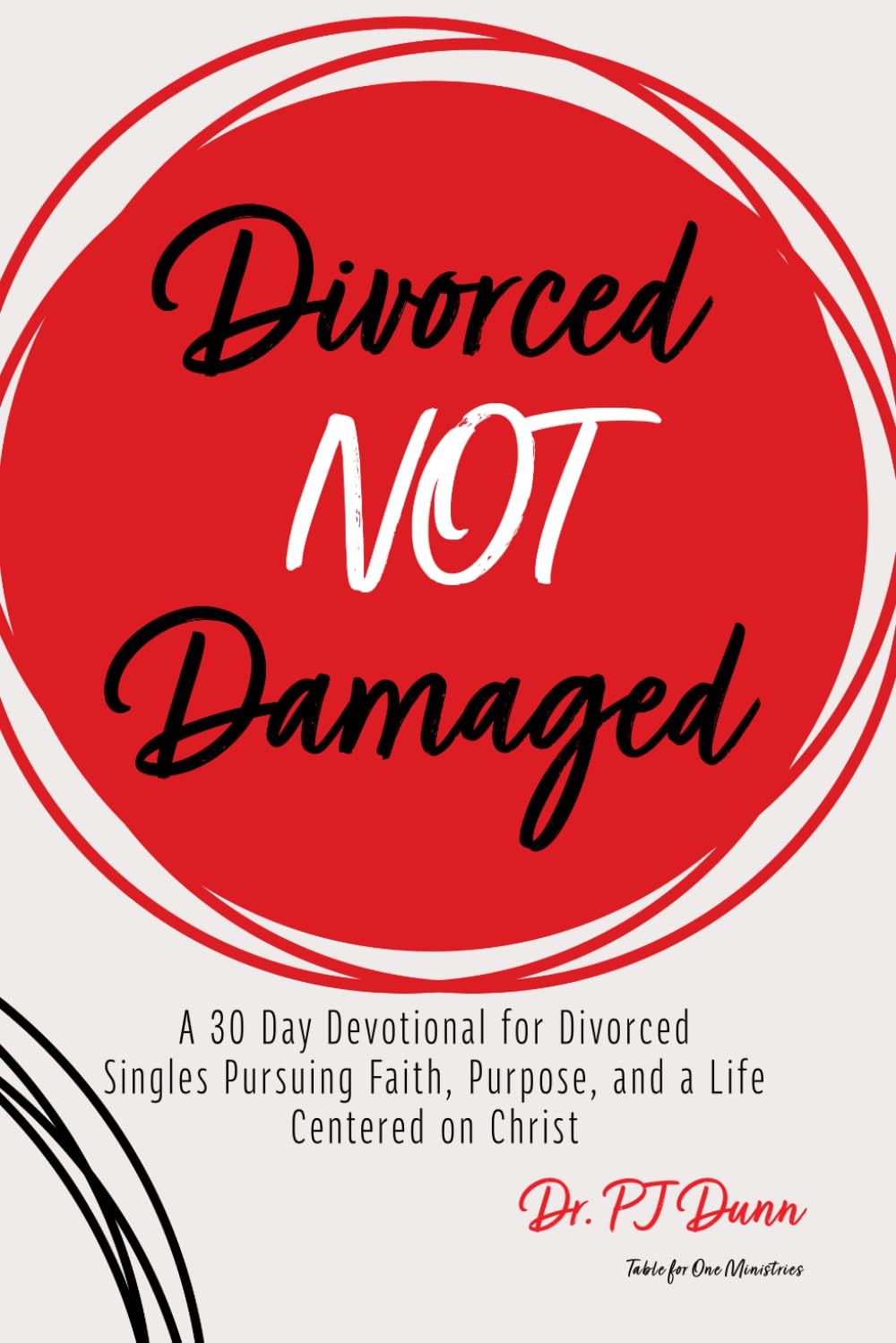
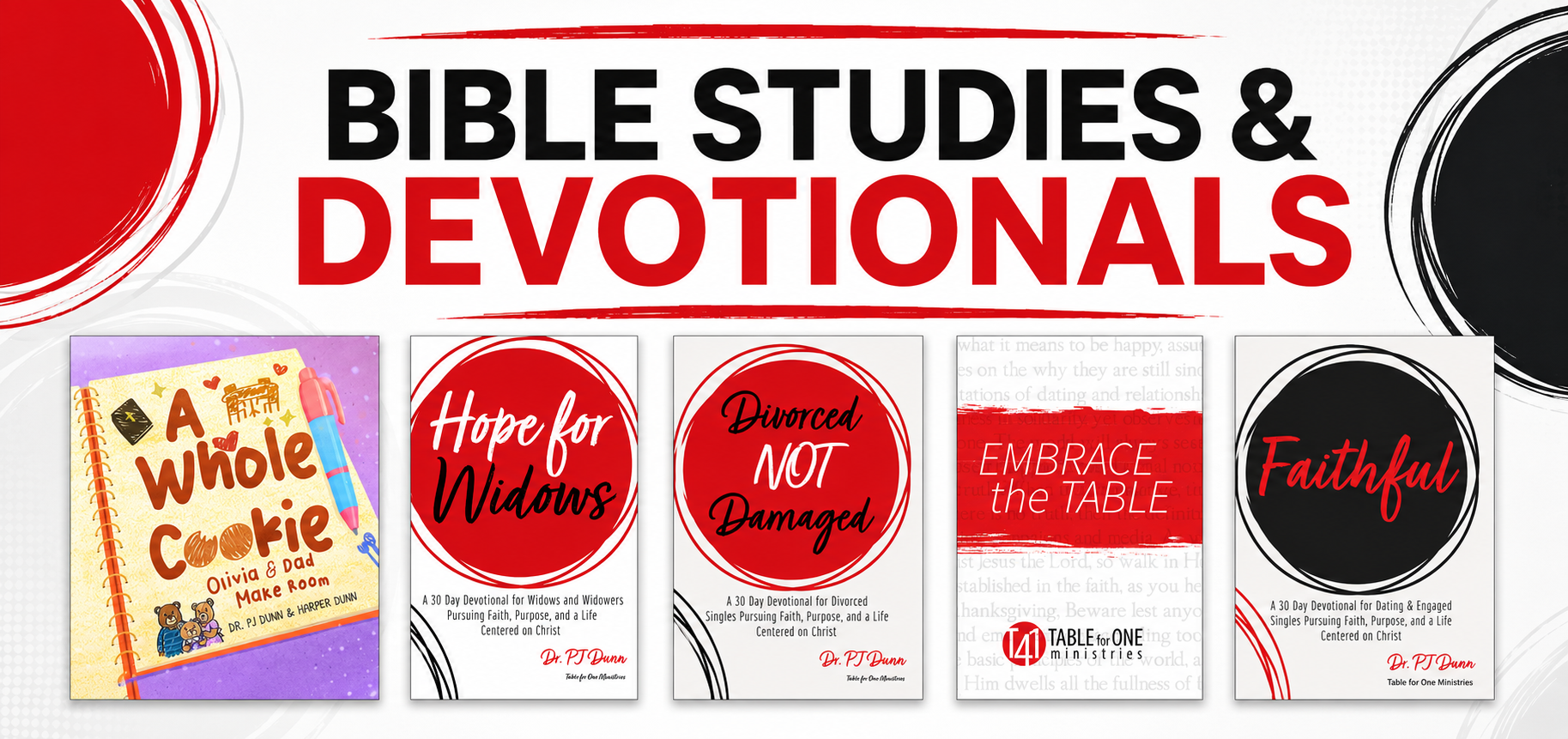
Divorced Not Damaged was created for divorced singles who need biblical encouragement for this exact season. It is a 30 day devotional for those pursuing faith, purpose, and a life centered on Christ. If you need a daily companion for this rebuilding season, start with the
Divorced Not Damaged devotional and let each day remind you that the divorce is not the end of your discipleship.
Frequently Asked Questions
What is the first step in life after divorce?
The first step in life after divorce is to stabilize your life around Christ, trusted people, and wise support. Begin with prayer, Scripture, honest grief, and one faithful community connection.
Can a Christian be complete after divorce?
Yes. A Christian is complete in Christ, not in marriage. Divorce may bring grief and consequences, but it does not erase the believer’s identity, worth, or usefulness in the kingdom of God.
How can church help someone after divorce?
A church can help by offering friendship, prayer, discipleship, practical support, and safe spaces for healing. Divorced adults need to be treated as disciples, not exceptions.
What devotional is helpful for divorced Christians?
Divorced Not Damaged is a 30 day Christian devotional written for divorced singles who need hope, purpose, healing, and a life centered on Christ.